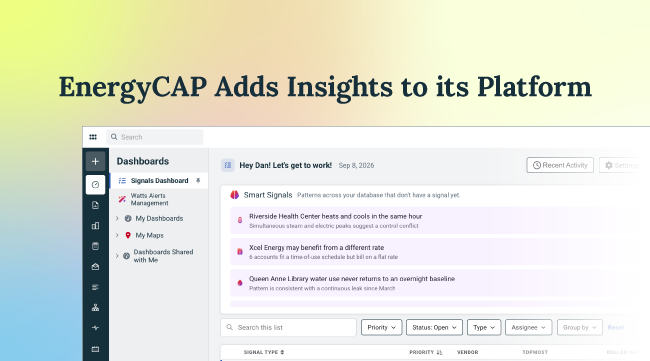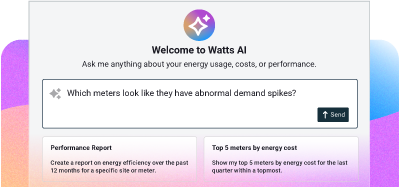





It shows up in the monthly report: the utility line came in over budget. Finance needs to explain the variance, so an email goes to facilities asking what happened. Facilities pulls up the bui...



Headquarters
EnergyCAP, LLC
360 Discovery Drive
Boalsburg, PA 16827
Denver, CO
Suite 500
5445 DTC Parkway
Greenwood Village, CO 80111
Dublin, Ireland
Unit F, The Digital Court, Rainsford Street,
Dublin 8, D08 R2YP, Ireland
Phone: 877.327.3702
Fax: 719.623.0577
Benchmarking and compliance are often treated as reporting exercises or tasks to need completing to satisfy regulations or external mandates. In reality, when done well, they are powerful tools for improving performance, controlling costs, and guiding smarter energy decisions.
This session explores how organizations can use benchmarking to understand how buildings perform relative to peers, portfolios, and past performance. Participants will learn how metrics such as Energy Use Intensity (EUI), cost per square foot, and commodity-specific benchmarks help identify underperforming buildings, prioritize action, and track improvement over time. The discussion emphasizes comparing “apples to apples” by accounting for building type, size, and use.
The webinar also covers the growing landscape of energy and sustainability compliance, including local and state benchmarking ordinances, disclosure requirements, and internal ESG reporting. Attendees will learn common compliance pitfalls, data challenges, and how inconsistent or incomplete utility data can increase risk and effort. Practical strategies for organizing data, maintaining audit-ready records, and reducing manual work are highlighted.
The key takeaway is that benchmarking and compliance should not live in spreadsheets or silos. When utility data is centralized and trusted, organizations can meet reporting requirements more efficiently—while simultaneously uncovering insights that drive savings, reduce risk, and support long-term energy and sustainability goals.