



With EnergyCAP™, Sound Transit has gained visibility into utility spend across 505 meters, enabling tracking and investigation of over 1,600 utility issues annually. EnergyCAP’s automated data, flexible reporting, and features like Report Designer BI empower Sound Transit to make data-driven decisions.
Want to see a deep dive into Sound Transit’s dashboards? Check out Jaime’s presentation in the Eco Champions Community.
Sound Transit is a public transportation agency serving the Seattle metro area that has used EnergyCAP for two years. They oversee utility accounts across three counties and multiple transit modes like light rail and buses.
Prior to adopting EnergyCAP, Sound Transit’s utility tracking and reporting was done manually using spreadsheets. With utilities tied to over 500 meters and spend forecasted to grow from $14M to $65M by 2051 as they expand, Sound Transit needed an automated system to scale.
Sound Transit implemented EnergyCAP in 2021. Sound Transit now uses the data and reporting functionality in EnergyCAP to track utility bills, flag billing errors and anomalies, investigate issues, and report insights. Custom Report Designer BI dashboards help various teams access and share data.
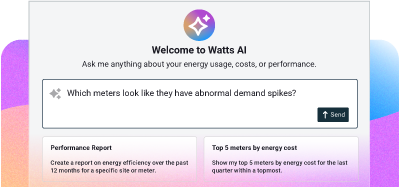
EnergyCAP provides the system Sound Transit needs to automatically track expanding utilities. Features like configurable alerts and reporting templates enable Sound Transit to flag spikes for investigation. Report Designer BI dashboards share utility analytics across the organization.
Custom dashboards facilitated cross-divisional data sharing and insights.
With EnergyCAP, Sound Transit has:
Boise Cascade saves hours on reporting every week with EnergyCAP. Watch Phillip Fiedler, Compliance Coordinator, explain how replacing spreadsheets with centralized data across 75 sites helps the team identify gaps and streamline scope 1 and 2 reporting for SB 253.
Indurent, a UK industrial and logistics property provider, brought utility management in-house with EnergyCAP. Invoices now reach the ledger in under 10 days instead of 62, giving finance a current view of spend across 5,000 invoices a month.
AFL transforms its sustainability by automating utility data management, identifying inefficiencies, and implementing energy-saving projects, resulting in $304,000 in annual savings, enhanced transparency, and strengthened sustainability credentials.