





For most organizations, energy and utility costs sit quietly in the background; processed, paid, and filed away as a routine operating expense. But that mindset is becoming increasingly risky....



Headquarters
EnergyCAP, LLC
360 Discovery Drive
Boalsburg, PA 16827
Denver, CO
Suite 500
5445 DTC Parkway
Greenwood Village, CO 80111
Dublin, Ireland
Unit F, The Digital Court, Rainsford Street,
Dublin 8, D08 R2YP, Ireland
Phone: 877.327.3702
Fax: 719.623.0577
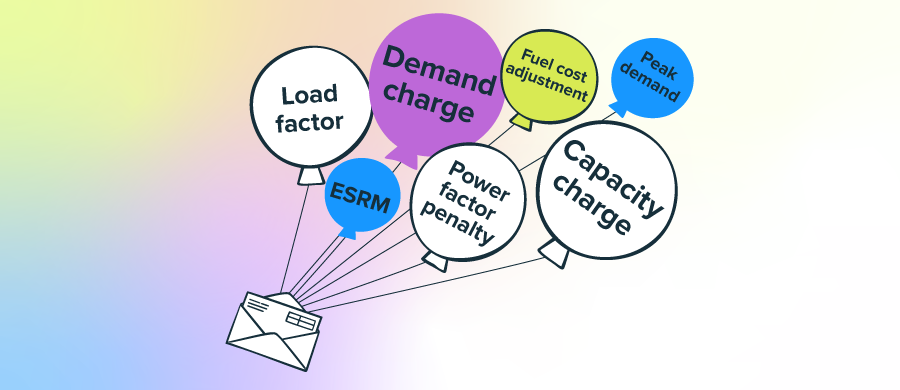
Electric bills are packed with line items, and those bill charges are not just accounting details. For many commercial and public-sector accounts, demand-related costs alone can make up a large share of the total, which is why even small operational changes can have an outsized impact.
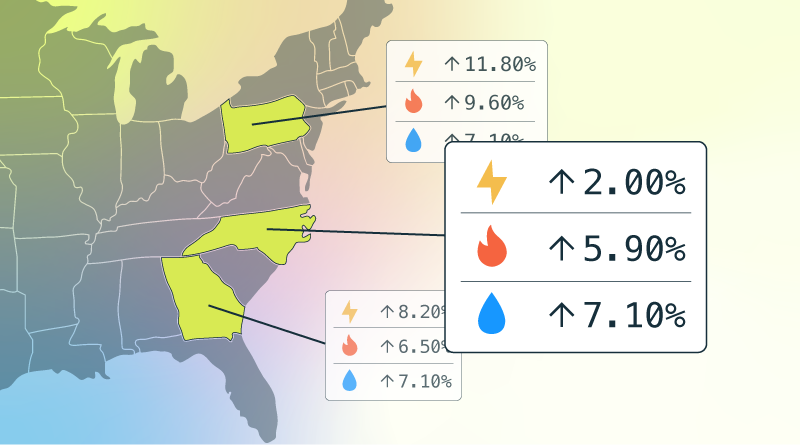
The U.S. Energy Information Administration expects retail electricity prices to continue increasing over the next few years, continuing the run-up that began in 2022. We’ll explain what your electric bill contains, decode the most common bill charges, and show practical ways to reduce energy (kWh) and demand (kW) costs.
Before you can cut costs, you need to know what you’re looking at. Understanding each section of your bill helps you spot errors, separate controllable costs from fixed charges, and link charges to real-world operations and projects.
Below, we break down the typical sections you’ll see on most utility bills: what each one includes, why it matters, and which parts you can influence.
Pro Tip: With interval data imported into EnergyCAP, you can compare actual consumption vs. estimated reads and flag anomalies before they turn into overcharges.
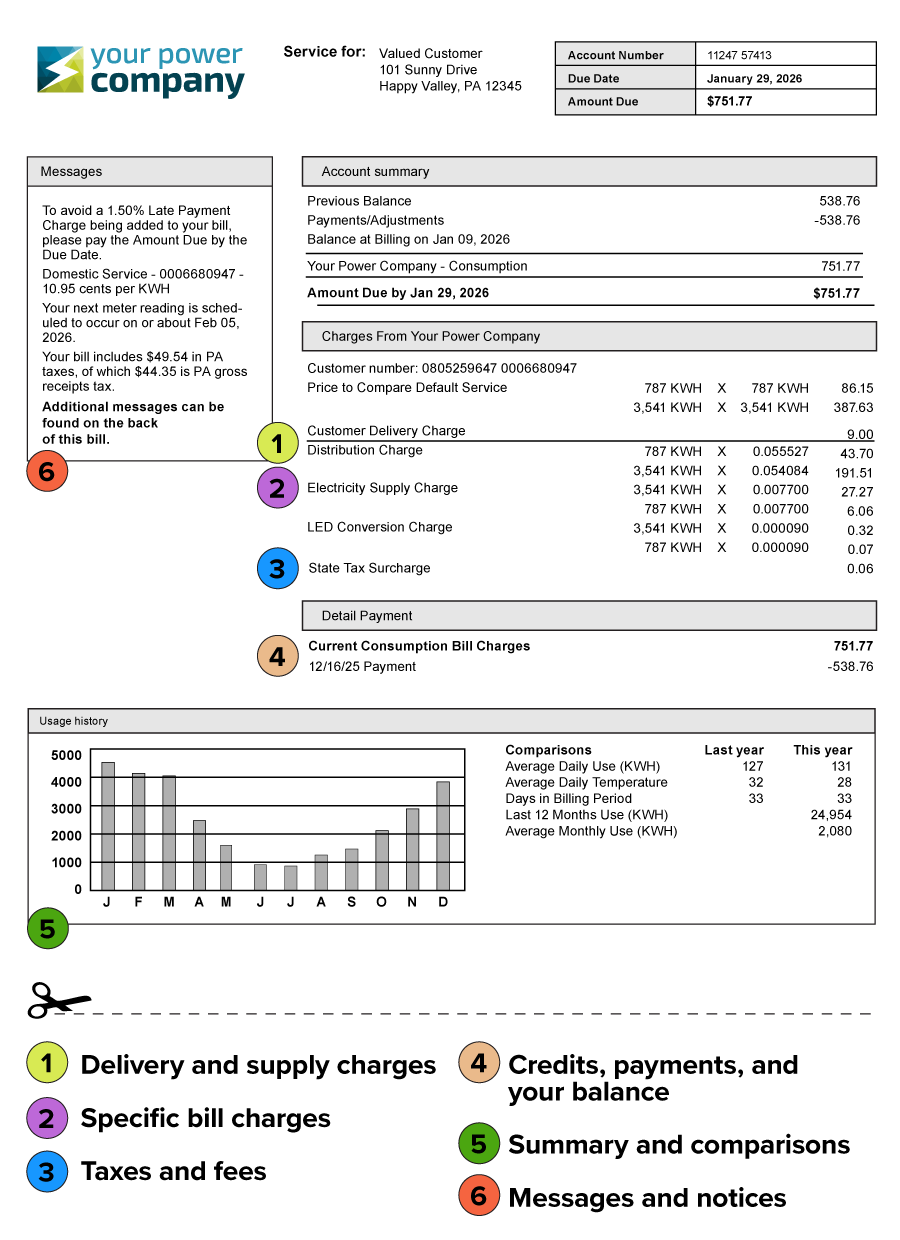
Once you know what is on the bill, the next step is learning how each line is calculated. Let’s dive into how usage and timing drive costs, which charges you can influence, and where to look for savings tied to operations and maintenance.
Energy is the total electricity you consume over time, measured in kilowatt-hours (kWh). Demand (also referred to as load) is your highest usage at any moment during the billing period, measured in kilowatts (kW), typically based on the highest 15–30-minute interval.
Energy charges rise with how much you run equipment; demand charges rise with how many big loads run at the same time. Many tariffs also include a demand “ratchet,” which can set a minimum demand based on a prior peak—another reason to control spikes.
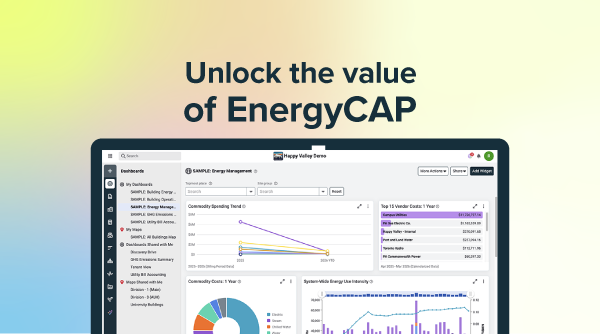
Load profile charts in EnergyCAP make it easy to see the 15–30-minute interval that set your demand.

Start with total kWh for the period, then break it down by site, building, or meter. In the field, look for baseload that runs 24/7, schedules that start too early or end too late, and equipment that should cycle but do not.
Track EUI and Cost/Area across your data tree in EnergyCAP to rank spaces, equipment, and buildings and prioritize fixes. Then compare similar facilities and use weather-normalized views to separate occupancy and process changes from temperature-driven shifts.
Pro Tip: Benchmark by EUI and Cost/Area across your data tree in EnergyCAP to rank buildings and prioritize fixes.
Plot interval data to see daily profiles, weekday vs. weekend patterns, and seasonal peaks. Compare this month to last month and to the same month last year to spot creeping loads.
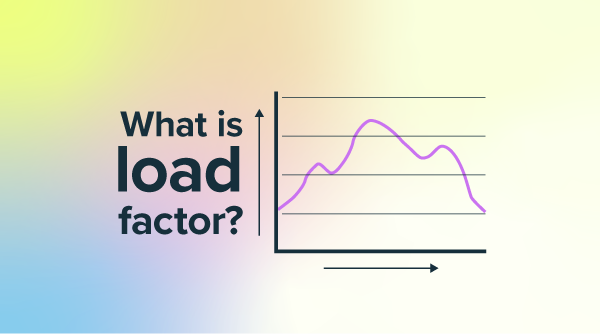
Watch load factor (total kWh / (peak kW x hours in period); a flatter profile means equipment is running longer and not turning off. Depending on usage, meters with high load factors may indicate savings opportunities.
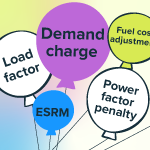
Electric bills bundle several types of bill charges. Names vary by utility and rate schedule, but the items below show up on most commercial accounts and drive the total you pay.
An energy charge is the per-kWh price you pay for all electricity consumed during the billing period. It may be a flat, tiered, or time-of-use rate. You lower your energy charge by cutting kWh through efficiency, scheduling, and by eliminating off-hour waste and/or installing more efficient equipment
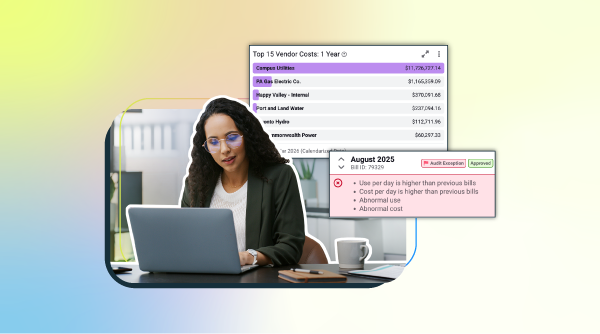
Demand charges in electricity bills are $/kW fees based on your highest 15–30-minute demand peak during the billing cycle. Some rates include a demand ratchet that sets a minimum based on a prior peak. Automated bill audits in EnergyCAP can flag unusually high kW for review before payment.
On a distribution charge electric bill line, you’re paying the local utility to move power to your site over poles, wires, and transformers. It is often a mix of $/kW and $/kWh. You have limited control, but improving load factor and power factor, and selecting the right rate schedule, can help.
A transmission charge is the cost to transport bulk power over high-voltage lines from generation to your regional grid. It is commonly allocated on demand or by capacity tags. Lowering load during system coincident peaks can reduce future allocations.
A customer charge is a fixed monthly fee per account or meter to cover billing, service, and administration. It is generally not controllable except by consolidating meters where allowed.
A capacity charge is what you pay to reserve generation capacity to meet your expected peak. It is often set by utility or regional coincident peaks. Curtailing during those peaks can lower the charge in future periods.
This line is often labeled as an electric bill fuel charge, reflecting month-to-month swings in generation fuel prices; it rises and falls with markets. Cutting your total kWh reduces exposure.
Power cost adjustment is a broader pass-through that recovers changes in overall power production costs; it varies with market conditions. Using less energy lessens its impact.
A system benefit charge is a mandated fee that funds statewide programs such as energy efficiency, assistance, or renewables. You cannot avoid the fee, but you can pursue the incentives it helps fund.
A power factor penalty is an added cost when your site’s power factor falls below a specified threshold (often 0.90–0.95). You can improve it by balancing motor loads, adding capacitor banks, and using variable frequency drives.
A metering charge is a fee for meters, readings, and communications infrastructure. It is typically assessed on a per-meter or per-channel basis. Consolidating or right-sizing your metering can trim this line.
A franchise fee is a local pass-through that compensates municipalities for the use of public rights-of-way. It is generally not controllable.
If you’re wondering what an ESRM charge on an electric bill means, it’s a utility rider that recovers specific regulatory or program costs. You may be able to limit its impact by reducing kWh if it’s applied per kWh and confirming you’re on the right rate schedule.
Small operational changes and smart planning can reduce both energy (kWh) and demand (kW) costs, lowering common bill charges such as energy, demand, distribution, and fuel adjustments.

A clear energy management strategy turns scattered efforts into repeatable savings. Start by defining governance, then standardize how you collect, store, and compare data across sites. Use consistent metrics such as EUI, Cost/Area, and load factor to rank facilities, and set quarterly targets tied to specific projects. Use EnergyCAP as your single source of truth for bills, meters, and emissions data, and validate savings with before-and-after data.
Action items:
Demand charges can dominate commercial bills, so reducing them starts with understanding when your peak occurs and what drives it. Most tariffs are demand-based, set for the highest 15–30-minute interval, and may use a ratchet that retains a portion of that peak in subsequent months. Map major loads, focus on coincident operation, and use alarms around typical set-point times so you can shave or shift spikes instead of chasing them after the fact.
Action items:
Energy charges track total consumption, so the fastest wins come from trimming hours and reducing operation intensity. Target the baseload first, then tackle schedules, setpoints, and sequencing that drifted over time. Close the loop by verifying that controls deliver the commanded behavior and by measuring before/after usage to ensure savings persist.
Action items:
Low power factor forces the utility to supply extra reactive power, which can trigger penalties and reduce available capacity for real work. Find the culprits, typically large induction motors and lightly loaded equipment, and correct them at the source. Use EnergyCAP to trend power factor charges and verify that the correction delivers expected results.
Action items:
If you’ve made it this far, you know which bill charges you can control, which are fixed, and where peaks and patterns drive costs. The next step is putting that knowledge to work with consistent bill auditing, clear visibility into trends, and confidence that every line item aligns with your rate schedule.
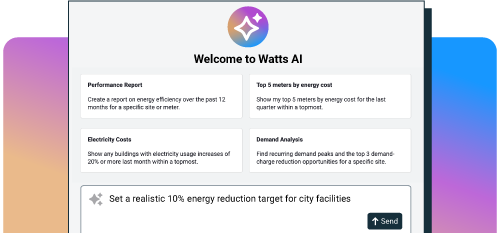
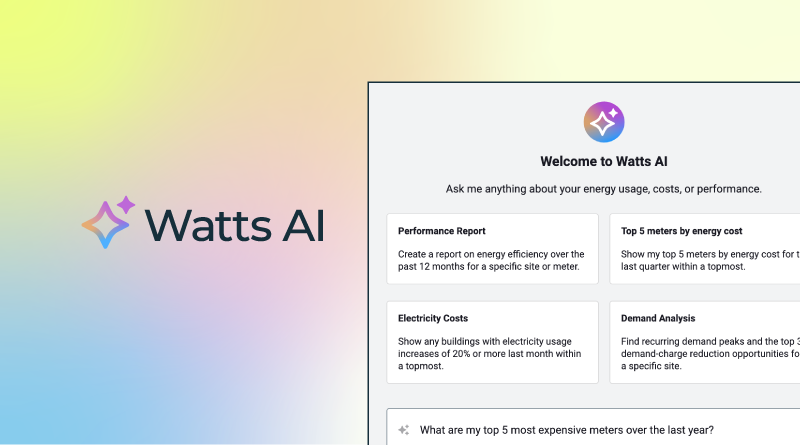
Standardize bills, align to your GL, and compare your sites apples-to-apples with normalization and Watts AI. See how our hierarchy and data tree deliver clarity and savings—request an EnergyCAP demo today.
Billed charges are the itemized costs your utility has calculated for the billing period, based on your rate schedule and measured usage. They typically include energy (kWh), demand (kW), delivery (distribution and transmission), riders and adjustments (fuel or power cost), taxes and fees, and any credits or payments. Review each line to confirm quantities, rates, and dates are correct.
Service charges are fixed fees that cover the cost of providing and maintaining service to your account, most commonly the customer charge and metering charge. These charges do not change with usage and are set by your rate schedule, though you may reduce them by consolidating meters or accounts where allowed.
An energy charge is the per-kilowatt-hour price you pay for the total electricity you used during the billing period. It may be a flat rate, tiered rate, or time-of-use rate that varies by hour or season. You lower this charge by reducing kWh through better schedules, efficient equipment, and eliminating off-hour waste.
Demand charges are based on your highest 15–30-minute kW peak in the billing period, and some rates use a ratchet that carries forward part of a past peak. To lower these costs, focus on shaving and shifting short spikes rather than only cutting total kWh.
An energy charge on my electric bill is the per-kilowatt-hour price you pay for all electricity used during the billing period. The rate may be flat, tiered, or time-of-use, billed by the hour or by season, and some riders—such as fuel or power cost adjustments—are billed per kWh.
To reduce this charge, reduce kWh consumption by tightening schedules, fixing controls, tuning HVAC, and upgrading to more efficient lighting and equipment. Then verify savings with interval analytics, IPMVP M&V, and cost avoidance in EnergyCAP.