







For most organizations, energy and utility costs sit quietly in the background; processed, paid, and filed away as a routine operating expense. But that mindset is becoming increasingly risky....



Headquarters
EnergyCAP, LLC
360 Discovery Drive
Boalsburg, PA 16827
Denver, CO
Suite 500
5445 DTC Parkway
Greenwood Village, CO 80111
Dublin, Ireland
Unit F, The Digital Court, Rainsford Street,
Dublin 8, D08 R2YP, Ireland
Phone: 877.327.3702
Fax: 719.623.0577

AI has become more than just a buzzword – we see it everywhere. It shows up when we shop online, draft emails and reports, and even in the tools we use to run day-to-day operations. Not long ago, data centers were the belle of the ball. States rushed to approve financial incentives, lured by the promise of local jobs and decades of tax revenue. In just a few years, plans to double the amount of data centers in the United States were underway as AI technologies exploded.
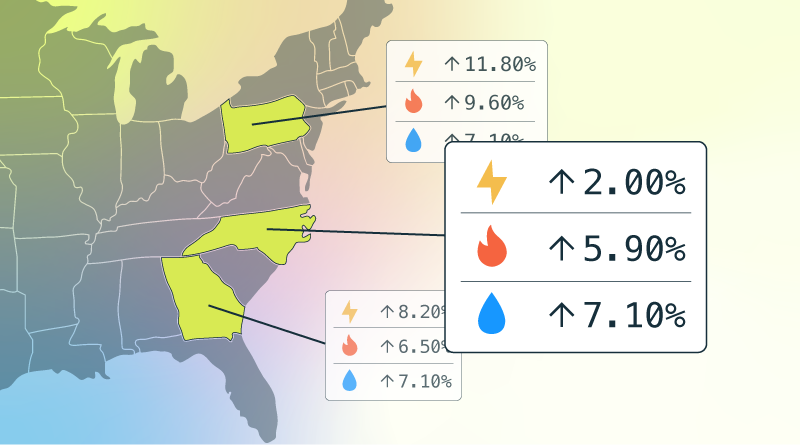
But just as quickly as excitement has risen about the capabilities of AI, so have concerns about the physical and environmental impact of data centers. Lawmakers on both sides of the aisle are walking back support as constituents raise alarms about lack of project transparency, noise and groundwater pollution, vanishing local jobs once construction wraps and, most critically, skyrocketing utility costs and water scarcity. In fact, nearly $64 billion in data center projects have been blocked or delayed in the past two years.
Tech giants are feeling the heat. They’ve changed their tune, promising to absorb the cost of utilities and rebranding with messaging centered on corporate responsibility. Microsoft recently announced its “good neighbor” policy, vowing to eschew tax cuts, pay its own way for utilities, and launching a five-point “Community First AI Infrastructure” initiative. But there are problems with this approach:
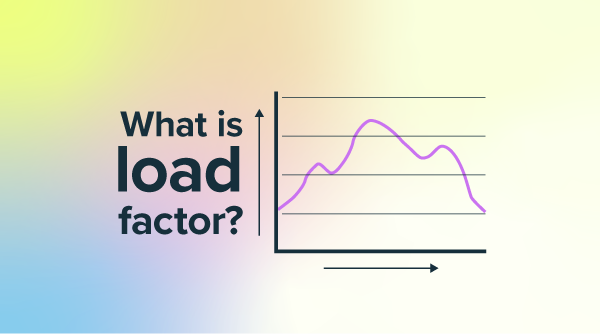
Experts agree that AI inquiries generally consume more resources than simple internet searches. But why? We talk a lot at EnergyCAP about demand charges and time-of-use tariffs, and data centers are not immune. Depending on the time of day a query is sent, and which data center receives it, a single LLM query can use about the same amount of energy as a regular search engine inquiry, or 1,000% more. Just like starting all of your equipment at one time will run up peak demand charges, inquiries hitting data centers during peak energy-consumption hours will put strain on the grid.
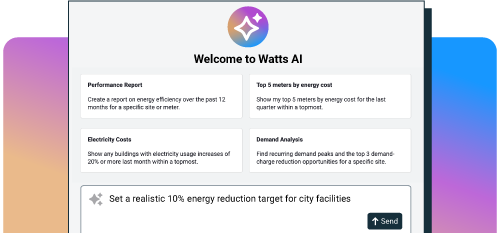
The fact is, AI is here to stay. So, the real question becomes whether we use it in ways that earn their keep. At EnergyCAP, we feel strongly that AI tools should be used responsibly, for the greatest impact, and offsetting the resources they consume. EnergyCAP Watts AI is laser focused on the same mission as every EnergyCAP tool: saving time, lowering emissions, and reducing waste. We only develop tools that serve this important mission—not AI “for show,” and not features that add load without paying it back in efficiency.
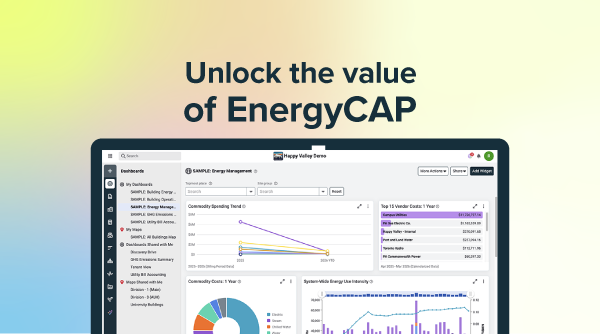
Data centers don’t just need more power, they need tighter control over when and how they use it. That starts with all the same data that EnergyCAP centralizes: bills, emissions, and, most importantly, interval data. Monthly invoices lack the details critical for effective load management. Interval data is the key to understanding and mitigating demand spikes, disputing billing errors, and validating what’s actually happening in your buildings.
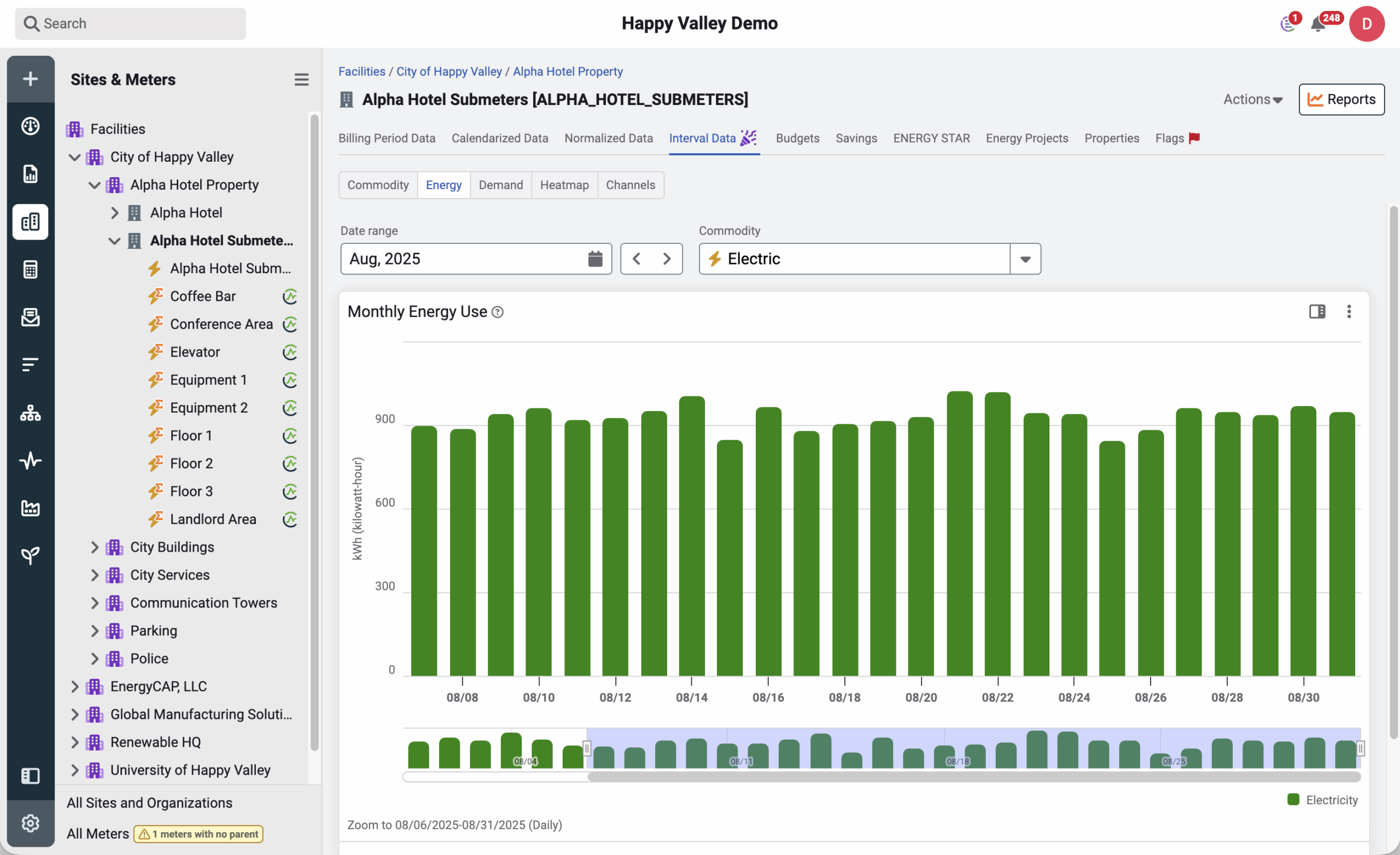
EnergyCAP interval data is the key to understanding and mitigating demand spikes, disputing billing errors, and validating what’s actually happening in your buildings.
Next is peak demand management. Even when total usage stays flat, peaks drive outsized cost and grid strain. EnergyCAP surfaces demand drivers, flags unusual usage at critical times, and finds peak patterns so facilities and energy teams target the right operational changes to conserve both cost and energy.
Chargebacks also play a critical role in assigning utility costs to their true owner. EnergyCAP supports chargebacks through simple splits, or to-the-minute accuracy with submetering, across departments and cost centers, translating usage into defensible allocations.
Finally, implementing the right energy conservation measures, and accurately measuring their impact through measurement & verification (M&V), is critical. EnergyCAP documents results over time, proving what changed, what it saved, and helping team prioritize the most effective projects to complete next.
EnergyCAP helps organizations understand when and how energy is used, manage peak demand, assign costs accurately, and prove the impact of conservation efforts. Schedule a demo today to see how EnergyCAP brings clarity, accountability, and control to energy data—especially as AI-driven demand grows.