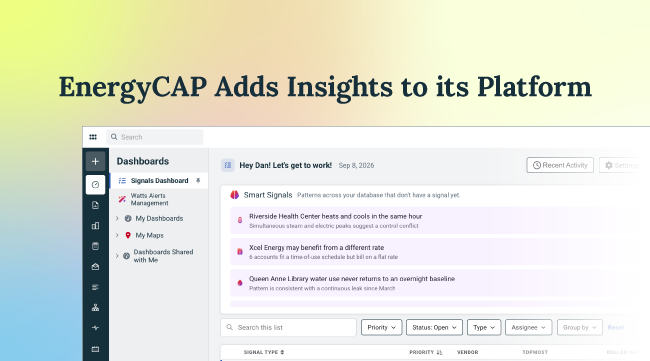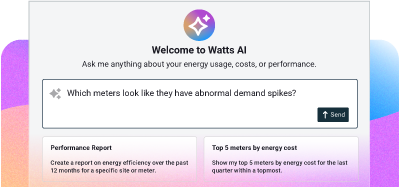



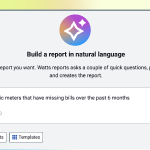



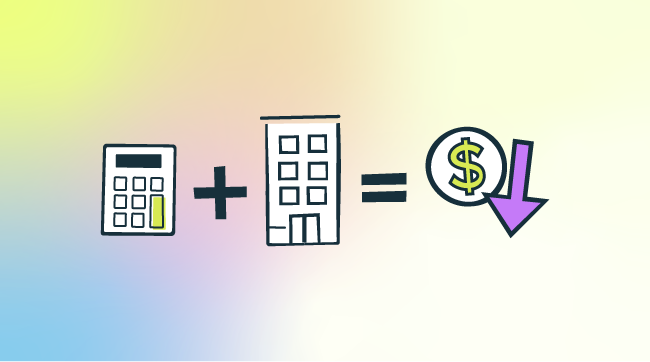
It shows up in the monthly report: the utility line came in over budget. Finance needs to explain the variance, so an email goes to facilities asking what happened. Facilities pulls up the bui...



Headquarters
EnergyCAP, LLC
360 Discovery Drive
Boalsburg, PA 16827
Denver, CO
Suite 500
5445 DTC Parkway
Greenwood Village, CO 80111
Dublin, Ireland
Unit F, The Digital Court, Rainsford Street,
Dublin 8, D08 R2YP, Ireland
Phone: 877.327.3702
Fax: 719.623.0577
Carbon reporting and renewable planning are no longer future-state goals. They are active requirements driven by regulations, stakeholder expectations, and long-term cost pressures.
This webinar will explore how utility data forms the foundation of accurate carbon reporting, including Scope 1 and Scope 2 emissions. Participants will learn how inconsistent, estimated, or incomplete utility data can undermine reporting confidence and create risk, and how centralized data enables repeatable, audit-ready carbon calculations. The session also addresses how reporting requirements are evolving and why transparency and traceability matter to finance, sustainability, and leadership teams alike.
Building on that foundation, the webinar connects carbon reporting to renewable energy planning. Attendees will learn how emissions data helps right-size renewable projects, evaluate on-site versus off-site options, and avoid over or under investing in renewables. Practical examples highlight how energy efficiency, load reduction, and operational improvements should precede renewable deployment to maximize impact and return.
The key takeaway is that carbon reporting and renewable planning are inseparable. When organizations align trusted data with realistic planning, they can reduce emissions, control costs, meet reporting obligations, and create a defensible path toward long-term sustainability goals.